
Amethyst Geodes, Citrine Geodes
Why Geodes Are the Next Big Luxury Home Trend
Dec
When was the last time you walked into a room and stopped in your tracks? Not because of a fancy sofa or an expensive painting, but because of something ancient, raw, and beautiful.
That’s the power of geodes, and they’re rapidly becoming the statement piece that luxury homeowners simply can’t ignore.
These natural wonders, formed over millions of years deep within the earth, have moved beyond collectors’ shelves and into the heart of modern British homes.
The Shift Towards Biophilic Luxury
We’ve spent years staring at screens, living in cities, and losing touch with the natural world. Then the pandemic happened, and suddenly everyone remembered why plants, natural light, and organic materials matter.
Biophilic design, the practice of bringing nature indoors, exploded in popularity, and it’s showing no signs of slowing down.
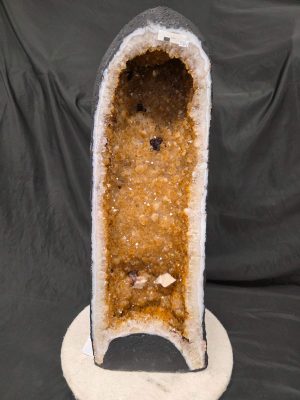
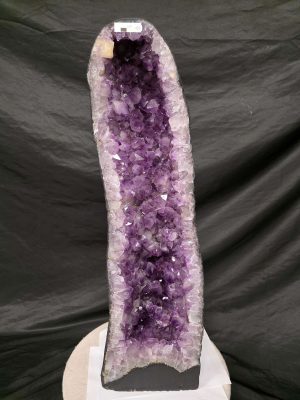
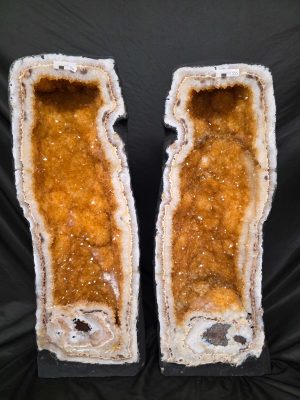
Geodes take this concept further than a few houseplants ever could. These aren’t manufactured or mass-produced. Each citrine geode or amethyst cathedral is genuinely one of a kind, formed over millions of years deep within the Earth.
When you place a 60cm Brazilian amethyst in your entrance hall, you’re not just adding decor – you’re introducing a piece of geological history.
Why Now?
Several forces have converged to make geodes the must-have item for discerning homeowners. First, there’s growing awareness of sustainable luxury. People want pieces that last forever, not items destined for landfill in five years.
Second, social media has played a fascinating role. Platforms like Instagram and TikTok have made stunning interiors more accessible and aspirational.
When people see a beautifully lit amethyst cathedral geode creating an ethereal purple glow in someone’s living space, they want that experience for themselves. The visual impact is undeniable, and these pieces photograph extraordinarily well.
Third, there’s been a genuine shift in how people view their homes. Post-2020, houses became offices, gyms, restaurants, and sanctuaries all at once. People invested heavily in making their spaces more beautiful and functional.
A geode serves both purposes – it’s a conversation starter, a meditation focus, an art piece, and a source of positive energy all rolled into one.
Beyond Decoration
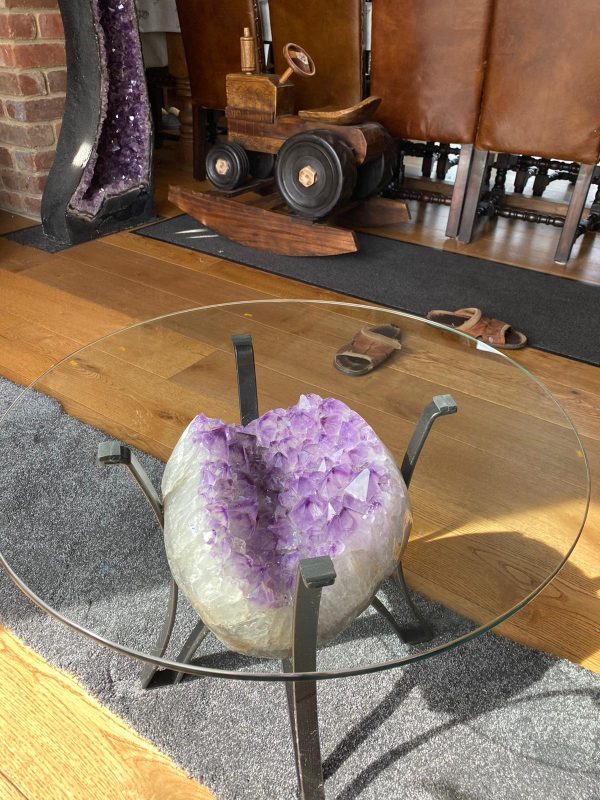
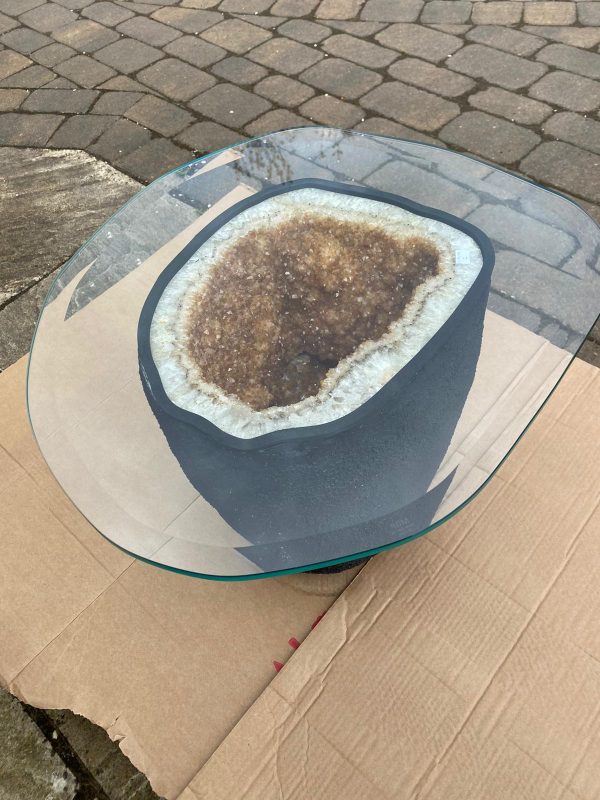
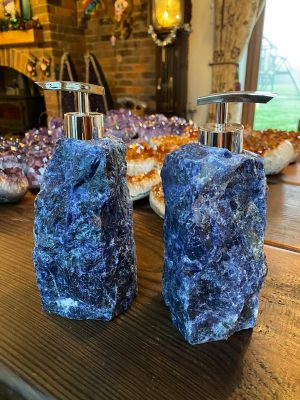
Here’s where geodes get really interesting, they’re not just sitting pretty. Innovative designers and manufacturers have created ways to incorporate these natural wonders into functional pieces that serve genuine purposes whilst looking absolutely amazing.
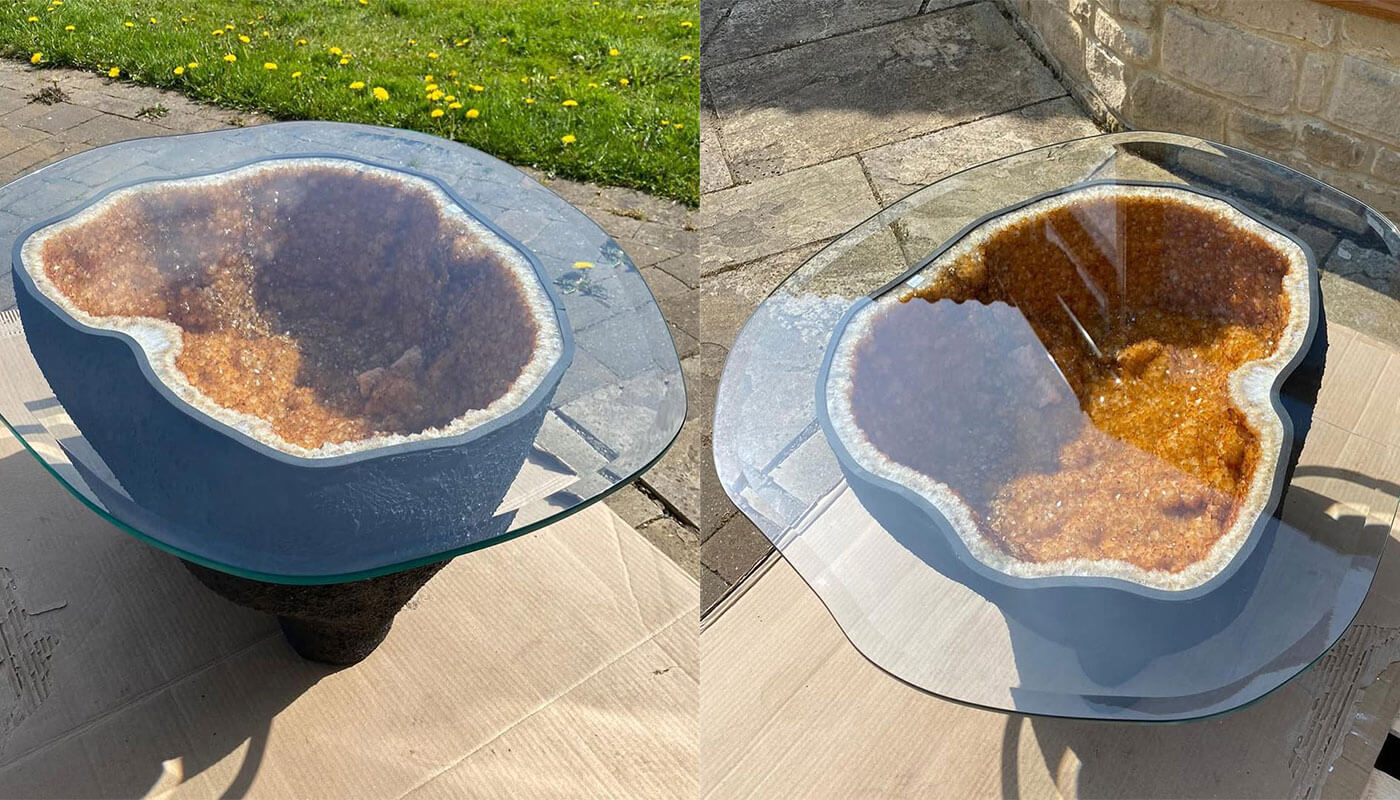
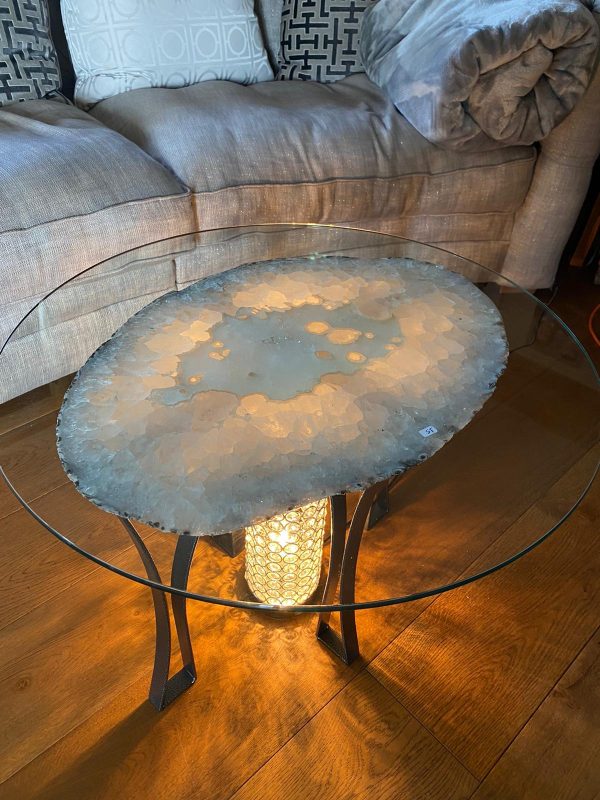
Consider geode tables, where a polished agate slice becomes the centrepiece of a coffee table or side table. Glass tops protect the stone whilst allowing you to admire the intricate banding patterns.
Add subtle LED backlighting, and you’ve got a conversation piece that doubles as ambient lighting.
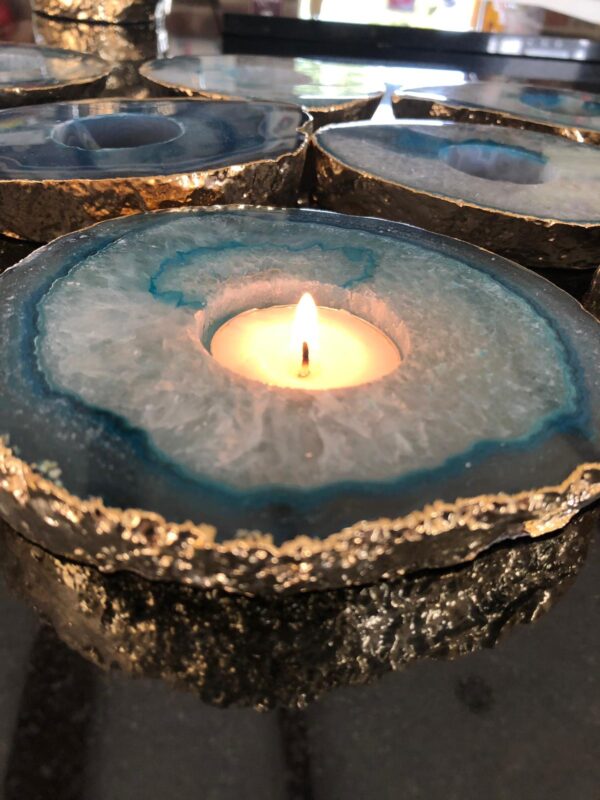
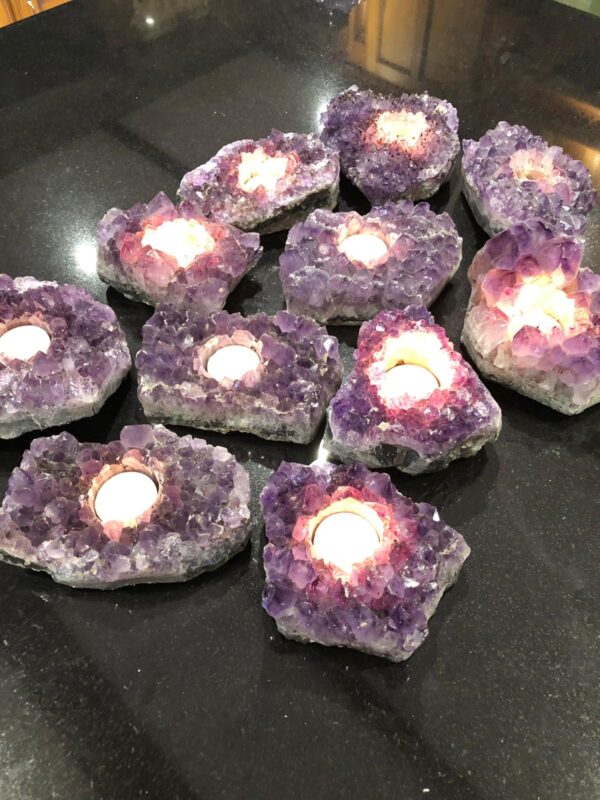
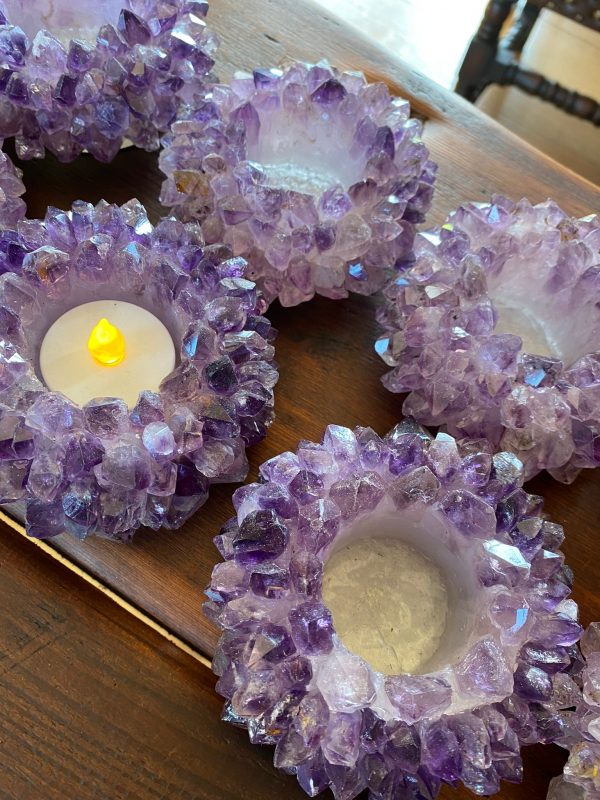
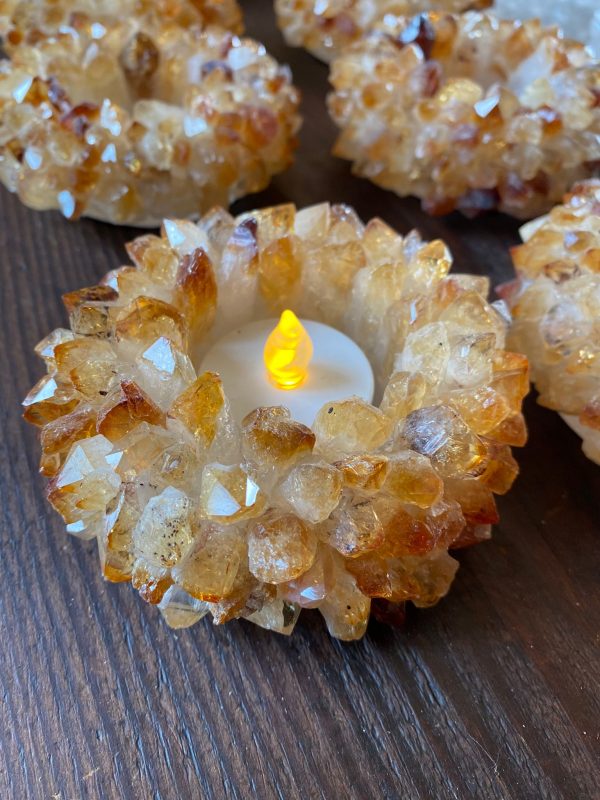
Or take crystal candle holders, where natural citrine points or agate slabs hold tea lights or pillar candles. The candlelight transmits through the translucent crystals, creating a warm, organic glow that no electric light can match.
Styling Geodes in Different Spaces
The beauty of geodes lies in their versatility.
Living Rooms: This is where larger pieces truly shine. An amethyst or citrine geode positioned near a window during the day catches natural light, whilst LED uplighting creates evening magic.
Pair with neutral furnishings to let the geode be the star, or work with complementary colours, deep purples with grey and silver, golden citrine with warm woods and brass accents.
Bedrooms: Smaller pieces work wonderfully here. A citrine cluster on a nightstand catches morning light and creates a warm, welcoming glow.
Many people find the presence of these stones genuinely calming, whether you believe in crystal healing properties or simply appreciate their beauty, there’s no denying the peaceful atmosphere they create.
Home Offices: With so many people working from home, the office has become a space worth investing in. A medium-sized geode on a credenza or bookshelf adds personality without being distracting.
The natural formations provide a welcome contrast to all those straight lines and electronic devices.
Entrance Halls: Nothing makes a first impression quite like a stunning geode greeting visitors as they enter your home.
It immediately signals taste, confidence, and an appreciation for the extraordinary.
Choosing Your Perfect Piece
This is where things get personal. Unlike mass-produced furniture where you’re choosing between Model A and Model B, each geode is genuinely unique. The decision becomes less about specifications and more about connection.
Size matters, certainly. Standard cathedral geodes (roughly 30-45cm) work well on tables and shelves. Tall specimens (45-76cm) for floor-standing. And huge pieces (76cm+) become the focal point of entire rooms.
But beyond size, consider colour intensity, crystal clarity, and overall formation.
Do you prefer the classic deep purple of premium amethyst or the sunny warmth of golden citrine?
Do you want a perfectly symmetrical cathedral or something more organic and irregular?
These aren’t questions with right answers, they’re about what speaks to you personally.
The smart approach is viewing pieces in person when possible. Photographs can only convey so much. Seeing how light plays through the crystals, understanding the piece’s physical presence, and feeling that intuitive connection makes all the difference.
The Investment Perspective
Let’s talk about money, because quality geodes aren’t impulse purchases. But here’s the thing, they shouldn’t be viewed as expenses but as investments.
A premium amethyst cathedral from a reputable source will hold its value indefinitely.
Unlike trendy furniture that depreciates the moment you get it home, a high-quality geode appreciates over time as sources become more restricted and demand increases.
Think of it this way: spend £2,000 on a designer sofa, and in ten years it’s worth perhaps £200. Spend £2,000 on a museum-quality geode, and in ten years it’s worth at least £2,000, possibly more.
You can pass it down through generations, and it becomes a genuine heirloom with stories attached.
Practical Considerations
Before you rush out to buy a 70cm amethyst cathedral, a few practical points. These pieces have weight, a larger geode can easily exceed 50kg. You’ll need stable positioning, preferably on solid floors rather than upper-level rooms with questionable joists.
Lighting makes an enormous difference. Natural daylight shows geodes beautifully, but strategic artificial lighting takes things to another level.
As covered in guides on pairing geodes with lighting, LED uplighting or spotlighting can create truly magical effects, particularly with amethyst’s purple crystals.
Maintenance is refreshingly simple. Dust occasionally with a soft brush, avoid harsh chemicals, and keep amethyst out of prolonged direct sunlight to prevent colour fading.
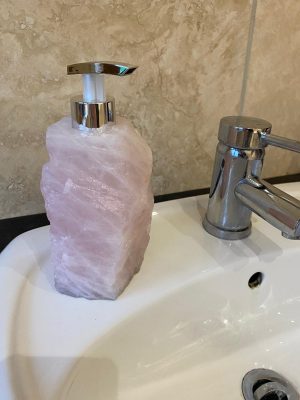
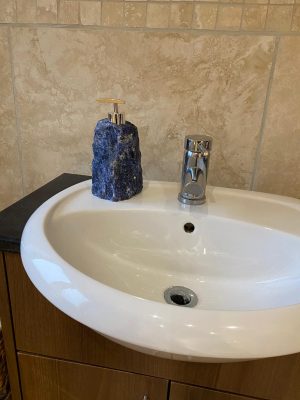
Geodes aren’t the “next” big trend – they’re already here, and growing momentum suggests they’re here to stay. What started as a niche interest among crystal collectors has broken through to mainstream luxury interiors.
Designers are specifying them for high-end projects, architects are creating spaces specifically to showcase them, and homeowners are discovering the profound difference these pieces make.
FAQ
How do I know if a geode is genuine and high quality?
Look for reputable UK dealers who source directly from Brazilian quarries and can provide provenance information. High-quality geodes will have deep, saturated colours (rich purple for amethyst, golden yellow for citrine), well-formed crystal points, and minimal imperfections. Request detailed photographs or arrange viewings when possible, any reputable dealer will welcome this.
Do geodes require any special care or maintenance?
Geodes are remarkably low-maintenance. Avoid harsh chemical cleaners, plain water is fine if needed. Keep amethyst out of prolonged direct sunlight as UV exposure can gradually fade the purple colour.
Are geodes suitable for homes with children or pets?
Larger cathedral geodes are heavy and stable, making them difficult to knock over. However, smaller pieces or those with delicate crystal points could potentially be damaged. Once children are old enough to understand “look but don’t touch,” geodes can actually become educational talking points about geology and Earth’s history.
How much should I expect to invest in a quality geode?
Prices vary enormously based on size, quality, and type. Small candle holders might start around £30-50, whilst premium cathedral pieces can range from £200 for standard sizes up to several thousand pounds for museum-quality large specimens. Consider this an investment in a piece you’ll own for life.
Can geodes work in modern, minimalist interiors?
Absolutely. Geodes actually work beautifully in minimalist spaces where their organic forms provide contrast to clean lines and simple colour palettes.
