
Amethyst Geodes, Citrine Geodes
How to Clean and Care for Your Geode Crystals
Apr
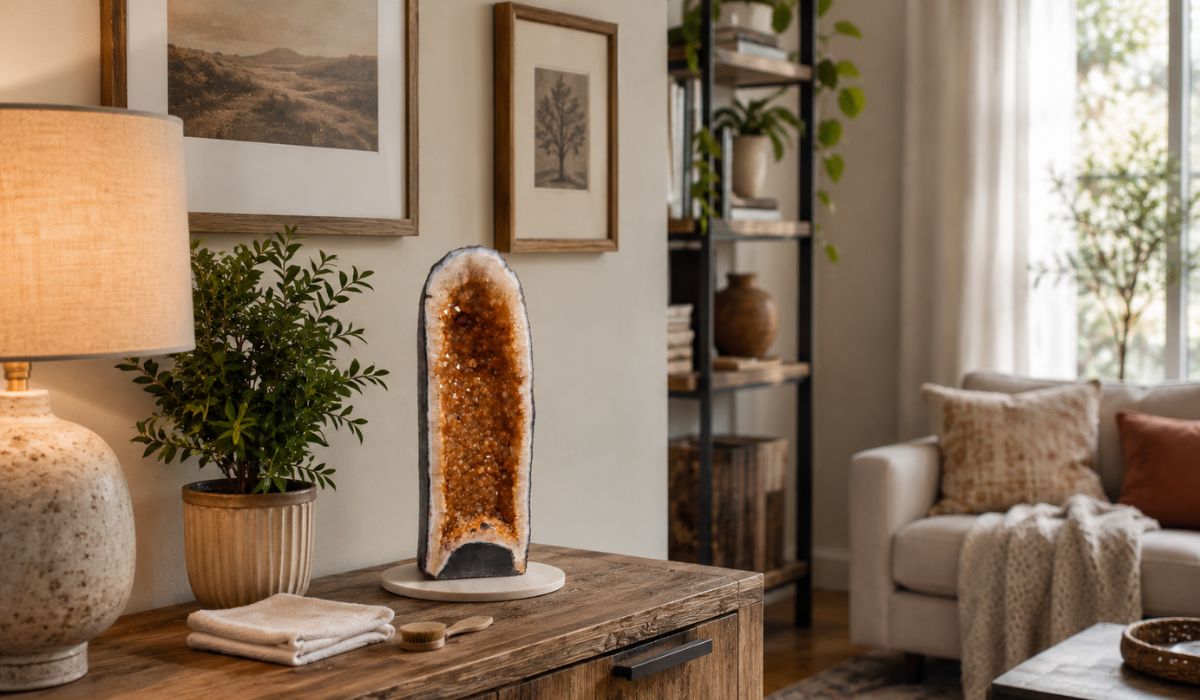
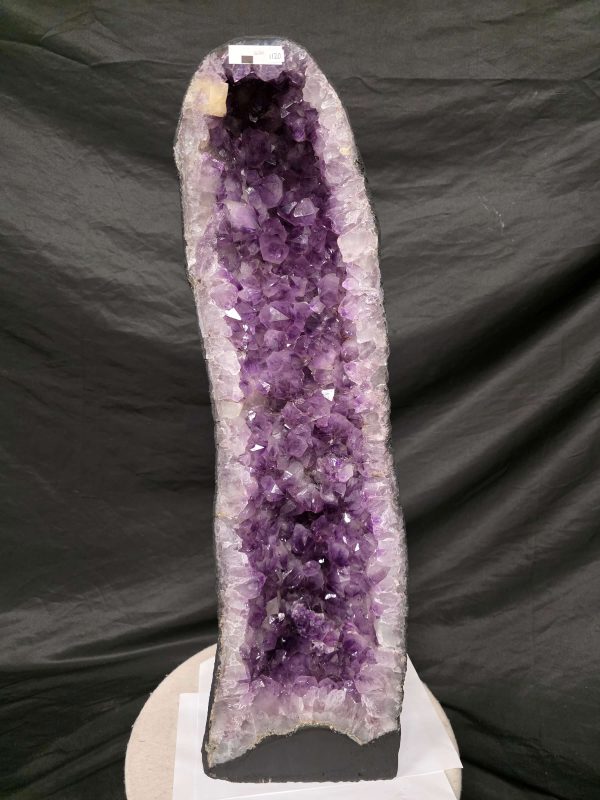
You’ve invested in a beautiful Brazilian geode – perhaps a stunning tall amethyst geodes or a golden citrine cluster. Now comes the question every owner asks: how do I keep it looking this good?
Cleaning amethyst geodes and maintaining citrine pieces isn’t complicated, but it does require understanding what you’re working with. Geodes aren’t delicate ornaments, but they’re not indestructible either. With simple weekly habits and occasional deeper cleaning, your geode will look good for generations.
Understanding Your Geode Before You Clean It
Many geodes aren’t pure quartz. They often contain:
- Agate or chalcedony forming the grey exterior “rind”
- Calcite inclusions appearing as white, rhombohedral crystals
- Iron oxide staining creating orange or brown patches
That white calcite is much softer and dissolves in acids. This matters when choosing cleaning methods. A technique safe for pure amethyst might destroy calcite formations.
The basalt matrix surrounding most Brazilian geodes is also porous. It can absorb moisture, which becomes problematic in freezing conditions or when using wet cleaning methods on large cathedral pieces.
Weekly Maintenance
Household dust is your geode’s main enemy. It settles into crystal crevices and, ironically, contains tiny quartz particles (sand) that can scratch your crystals if wiped with rough cloth.
Your weekly routine should include:
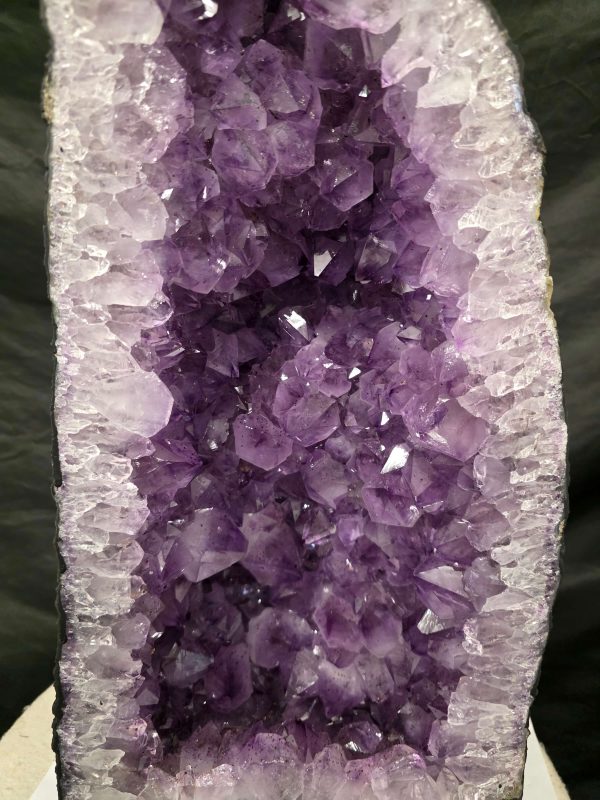
A soft-bristled paintbrush or clean makeup brush works brilliantly for dislodging dust between crystal points. Brush gently outward from the centre of the geode.
For large amethyst cathedral pieces with deep interiors, compressed air canisters blow dust away without physical contact. Hold the canister upright and use short bursts.
The polished face or rim of your geode, where the agate layers show; can be wiped with a slightly damp microfibre cloth. Never use paper towels, which can scratch polished surfaces.
This takes perhaps five minutes weekly and prevents the buildup that requires intensive cleaning later.
Deep Cleaning Amethyst Geodes
Every six to twelve months, your geode needs more thorough attention. This is especially true if it sits in kitchens, near candles, or in high-traffic areas.
Place your geode on a thick towel to prevent slipping. Use lukewarm water only, temperature extremes can fracture quartz through thermal shock.
Mix a few drops of pH-neutral washing-up liquid in a bowl of lukewarm water. Avoid anything containing ammonia, bleach, or abrasive particles. These chemicals can damage the basalt matrix or dull crystal lustre.
For smaller pieces, soak for 15-20 minutes to loosen grime. Larger cathedrals can’t be submerged, so work section by section.
Use a baby’s toothbrush to gently scrub crystal faces. The soft bristles reach between points without excessive pressure. Work methodically, rinsing as you go.
Rinse thoroughly under a gentle stream. Any soap residue dries into a dull film that defeats the whole purpose.
Pat dry with a lint-free cloth. Let the interior air-dry completely in a dust-free location.
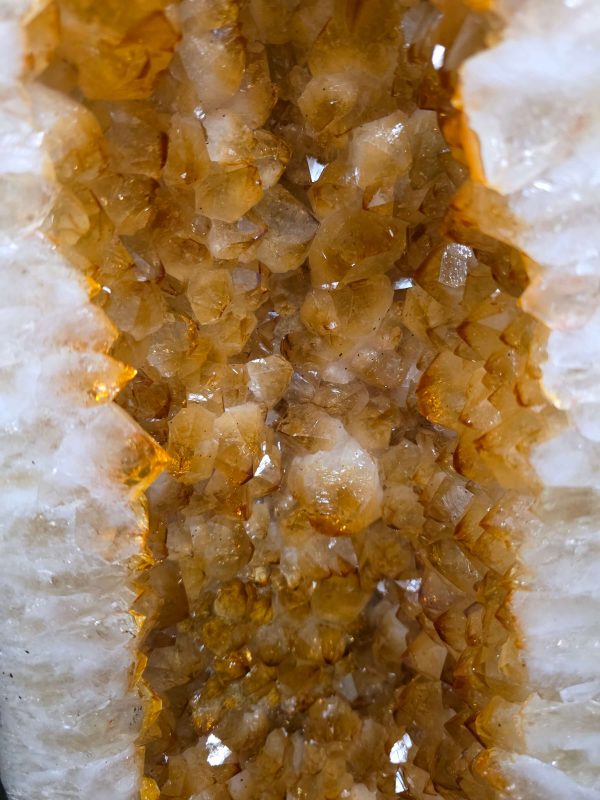
Caring for Citrine Geodes
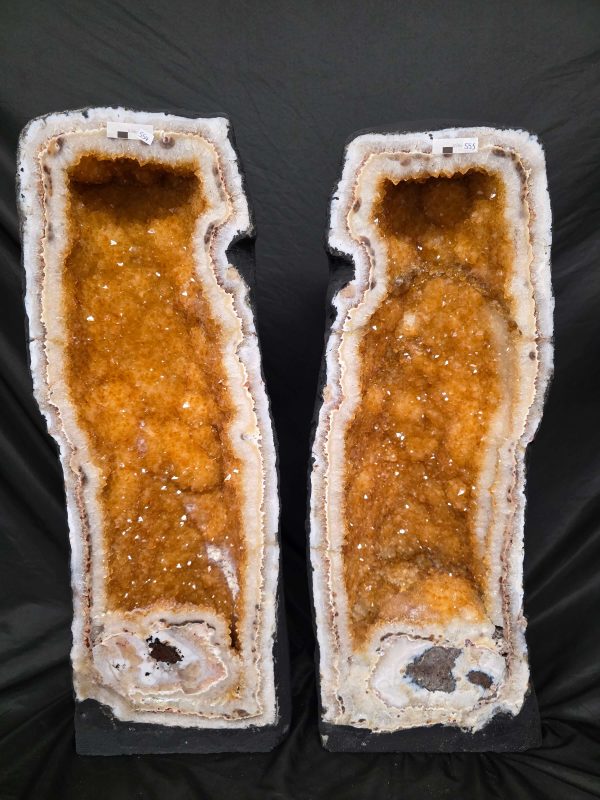
Citrine geode maintenance is generally simpler than amethyst care. Much of the citrine on the UK market is actually heat-treated amethyst, creating stable golden colours that won’t fade in sunlight like purple amethyst will.
Citrine is remarkably hardy. It tolerates most household cleaning products without issue. The same lukewarm water and mild soap method works perfectly.
Natural citrine (often with smoky yellow-green tones) versus heat-treated “Madeira” citrine (bright orange-to-reddish) both clean identically. The colour difference doesn’t affect durability.
Where citrine needs special attention is with very harsh chemicals. Avoid concentrated acids or strong alkaline solutions, which can etch any quartz surface over time.
What to Avoid (Common Mistakes)
Never place amethyst in direct sunlight long-term. The UV radiation permanently fades the purple colour. This is the single biggest preservation mistake. South-facing windowsills and conservatories are terrible locations for cleaning amethyst geodes.
Don’t attempt to cut, grind, or modify your geode. Cutting quartz releases crystalline silica dust, a serious respiratory hazard. Any structural modifications need professional lapidary equipment with wet-cutting systems.
Skip the vinegar for geodes with calcite. While mild household vinegar can remove limescale from pure quartz, it will dissolve calcite inclusions and leave powdery white residue.
Avoid using stiff brushes on polished surfaces. Save those for the rough basalt exterior. Crystal faces need gentler treatment.
Don’t rush the drying process. Moisture trapped in deep geode cavities can promote mould growth or, if the piece gets cold, cause internal fracturing.
Removing Stubborn Iron Stains
Some geodes; particularly those stored in damp conditions or purchased as “raw” specimens, develop orange or brown iron oxide staining. This masks the natural crystal colour.
Oxalic acid (sold as wood bleach in UK DIY shops) is the standard treatment. However, this requires significant caution.
Mix 1/8 cup of oxalic acid crystals per 5 litres of water. Soak the affected area for several hours to two days, depending on stain severity. Always wear chemical-resistant gloves, eye protection, and work in a well-ventilated area.
Critical warning: This will permanently destroy any calcite in your geode. If you see white rhombohedral crystals, avoid acid cleaning entirely or protect them with paraffin wax first.
After soaking, neutralise the acid completely with baking soda until fizzing stops. Never pour untreated acid solutions down drains.
For most owners, iron staining adds character rather than detracting from value. Consider whether removal is worth the risk and effort.
Energetic Cleansing for Crystal Collectors
Many people choose premium Brazilian geodes for their metaphysical properties. Amethyst for calm and clarity. Citrine for abundance and positivity. If this resonates with you, energetic cleansing deserves attention.
Sound cleansing using Tibetan singing bowls or tingsha cymbals is ideal for large amethyst cathedral pieces that can’t be moved easily. The vibrations are believed to realign crystal energy without physical contact.
Smudging with white sage or frankincense smoke is traditional. In UK homes, electric diffusers with these essential oils avoid smoke and fire risks whilst achieving similar results.
Moonlight charging during full moons is the safest energetic method for both amethyst and citrine. Place your geode on a windowsill overnight. Unlike sunlight, moonlight carries no UV damage risk.
Selenite proximity involves placing selenite (satin spar) pieces inside your geode cavity. Selenite supposedly self-cleanses and recharges nearby crystals through proximity alone.
Whether you view these practices as spiritual necessity or pleasant ritual, they add another dimension to geode ownership without risking physical damage.
Long-Term Care and Placement
Where you position your geode matters enormously for long-term preservation.
Keep amethyst away from windows receiving afternoon sun. LED lighting is ideal; it generates minimal heat and no UV radiation. Avoid incandescent bulbs that create thermal stress.
Large cathedral geodes weighing 20-50kg need stable placement on solid floors. Upper-level rooms with questionable joists aren’t suitable. Use museum wax or floor-mounting brackets in commercial settings where people might knock them.
The porous basalt exterior shouldn’t be exposed to rain or outdoor conditions. Absorbed water expands when frozen, shattering the entire specimen.
Give your geode breathing room in your décor. Overcrowding with other items diminishes visual impact and makes cleaning harder.
Check annually for cracks or loose crystal points, particularly in large pieces. Catch structural issues early before they worsen.
Your Geode’s Lifetime Companion
Proper care for geode crystals isn’t demanding. Weekly dusting, occasional gentle washing, and thoughtful placement preserve these geological treasures indefinitely. The same techniques that work for small clusters scale up for impressive cathedral pieces.
As a family-run UK business sourcing directly from Brazilian quarries, we see these specimens as investments, both financial and emotional. They’re not disposable décor. They’re pieces of Earth’s history that deserve respect and proper maintenance.
The effort you invest in cleaning and caring for your amethyst or citrine geode pays back in decades of beauty. These aren’t crystals you’ll replace in a few years. They’re heirlooms waiting to happen.
